
What Evidence Is Needed To Prove Reckless Driving Charges
Sept. 28, 2026
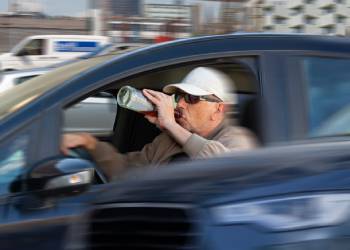 For a reckless driving prosecution, the government generally has to establish the elements required under the applicable law.
That can involve evidence about how you were driving, where the incident occurred, what other people observed, and whether your conduct met the legal definition of reckless driving. Michael Kuzma Attorney at Law helps clients examine the evidence involved in traffic charges and consider potential defenses.
A Buffalo, NY traffic lawyer can review police reports, witness accounts, video, physical evidence, and other information that may affect the case. Reach out to me at Michael Kuzma Attorney at Law to discuss your circumstances.
Evidence Police May Use in a Reckless Driving Case
Reckless driving allegations can arise from many different circumstances. An officer may personally observe the conduct, respond to an accident, receive information from another driver, or investigate behavior that was reported by a witness.
Potential evidence can include:
Officer observations: An officer may testify about speed, lane changes, following distance, traffic conditions, or other driving behavior personally observed.
Police reports: Reports may document the officer's account of the incident, statements from witnesses, and observations made at the scene.
Witness statements: Passengers, pedestrians, other motorists, or other witnesses may provide accounts of what they saw.
Dashcam footage: Video from a vehicle may capture driving behavior or the surrounding traffic conditions.
Traffic cameras: Government or privately operated cameras may record portions of an incident.
Accident evidence: Vehicle damage, skid marks, debris, photographs, and other physical evidence may provide information about what occurred.
Electronic records: GPS information, phone records, or other digital evidence may become relevant depending on the circumstances.
Not all evidence carries the same weight. A witness who observed only a few seconds of an incident may have a different perspective from someone who watched the entire event. Similarly, a video that begins after the alleged conduct started may not provide a complete picture.
Showing Whether Driving Was Actually Reckless
One of the central questions in a reckless driving case is whether the conduct meets the legal standard for recklessness. The specific definition depends on the jurisdiction and the charge involved.
In New York, for example, Vehicle and Traffic Law §1212 addresses reckless driving and prohibits driving in a manner that unreasonably interferes with the free and proper use of the public highway or unreasonably endangers users of the highway. The prosecution's evidence therefore may focus on the circumstances of the driving rather than simply whether you made an ordinary traffic mistake.
Context can matter. A sudden lane change, for example, could have different implications depending on traffic density, visibility, road conditions, signaling, and the surrounding events. Likewise, an allegation of excessive speed may need to be considered in relation to the actual roadway and traffic conditions.
Evidence that provides additional context may include:
Road conditions: Rain, snow, ice, construction, traffic congestion, or roadway design may affect how an incident occurred.
Traffic conditions: The number and location of other vehicles can provide context for alleged dangerous driving.
Visibility: Lighting, weather, obstructions, and time of day may affect what drivers and witnesses could see.
Vehicle condition: Mechanical problems may be relevant when they contributed to an unexpected driving event.
Emergency circumstances: An effort to respond to an emergency may provide important context for certain driving actions.
Complete video footage: Recordings showing events before and after the alleged conduct may provide a fuller account.
The prosecution may present evidence supporting its interpretation of events, but the defense can examine whether that interpretation accounts for all relevant circumstances.
A traffic lawyer can help assess whether the evidence establishes reckless conduct or whether important facts provide another explanation for what happened.
Challenging Weak or Inconsistent Evidence
Evidence may contain inconsistencies. Witnesses may describe the same incident differently, police reports may omit relevant details, or video footage may conflict with a witness's recollection.
A defense may examine several potential issues:
Inconsistent statements: Differences between accounts may raise questions about the reliability of particular evidence.
Limited observations: A witness or officer may have seen only part of the incident.
Unclear identification: Evidence may not clearly establish which vehicle or driver was involved.
Incomplete video: A recording may omit events that occurred immediately before or after the captured portion.
Missing context: Traffic, weather, road conditions, or other circumstances may not appear in a brief description of the incident.
Questionable measurements: Speed estimates or other measurements may need to be evaluated based on how they were obtained.
Challenging evidence doesn't mean disputing facts without a basis. The purpose is to determine whether the prosecution's evidence accurately establishes the required elements of the charge.
Getting Help With a Reckless Driving Charge
Evidence is central to reckless driving cases because the allegations must be supported by facts that satisfy the applicable legal requirements.
Michael Kuzma Attorney at Law helps clients evaluate traffic charges and the evidence supporting them.
I can review police reports, witness accounts, video, physical evidence, and other relevant information while discussing potential defenses and available options with you. Michael Kuzma Attorney at Law serves motorists facing traffic charges in Buffalo, Niagara Falls, and surrounding suburbs. Reach out now to discuss your case.