
What Defenses Are Available for Speeding Tickets?
Aug. 25, 2026
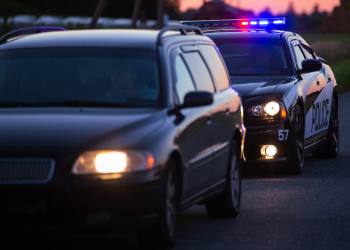 Getting pulled over for speeding can leave you feeling frustrated, embarrassed, or worried about what comes next. If you depend on your vehicle for work, school, family responsibilities, or everyday errands, the possibility of losing driving privileges can feel especially stressful.
You may also wonder whether the officer’s account is the final word or whether you have a legitimate way to challenge the ticket. Traffic law provides rules governing how speeding violations are issued, documented, and contested, and the facts of your particular stop can matter.
If you’re looking for a Buffalo, NY speeding ticket lawyer, I'm here to help. I can review the circumstances of your traffic stop, explain your legal options, and help you determine whether a defense may be available.
Don’t assume you have no options—contact me at Michael Kuzma Attorney at Law to discuss your ticket and your next steps.
Challenging the Officer’s Account
A speeding ticket generally rests on the claim that you were traveling faster than the applicable speed limit. However, that allegation doesn’t automatically mean every detail surrounding the stop is accurate.
The circumstances of the traffic stop, the officer’s observations, and the evidence supporting the alleged speed can all matter when a ticket is contested.
One possible defense involves challenging whether the prosecution can establish that you were actually traveling at the alleged speed. Depending on the circumstances, an officer may have estimated your speed visually, followed your vehicle, or used a speed-measuring device. Each method can present different factual questions.
For example, if the officer’s estimate appears inconsistent with the surrounding circumstances, that information may be relevant.
A driver’s speed may also be disputed if there are questions about traffic conditions, the distance between vehicles, visibility, or the officer’s ability to observe the vehicle accurately. Traffic law gives defendants an opportunity to challenge allegations rather than simply accepting every assertion made during a traffic stop.
The details matter, so you shouldn’t assume that every speeding ticket can be defended in the same way. An experienced lawyer can review the evidence and help identify facts that may affect your case.
Questioning Speed-Measuring Equipment
Speeding allegations may involve radar, laser devices, or other methods of measuring vehicle speed. When equipment is involved, questions can arise concerning how it was operated, maintained, tested, or used during the traffic stop. The available evidence may provide information about the reliability of the measurement.
A defense may focus on whether the device was being used properly or whether the circumstances could have affected the reading. The specific issues depend on the type of equipment and the facts surrounding the alleged violation.
Potential questions can include:
Device operation: Was the speed-measuring equipment used according to applicable procedures?
Testing records: Are there records showing that the device was tested or checked as required?
Maintenance history: Is there documentation concerning the device’s maintenance or condition?
Officer training: Was the officer properly trained to operate the equipment?
Reading accuracy: Are there circumstances that could call the recorded speed into question?
Traffic conditions: Were other vehicles nearby in a way that could affect the measurement?
These questions don’t automatically invalidate a speeding allegation. They may, however, identify evidence that should be examined before you decide how to respond.
Reviewing Procedural And Factual Defenses
Sometimes, a speeding case involves questions that go beyond the alleged speed itself. The citation, court paperwork, evidence, and circumstances of the traffic stop may reveal issues that deserve closer attention.
Possible areas to examine include:
Citation information: Check the ticket for errors or inconsistencies involving the location, vehicle, alleged speed, or applicable limit.
Location details: Confirm where the alleged violation supposedly occurred and what speed restriction applied there.
Witness evidence: Consider whether passengers or other witnesses observed the traffic stop or relevant road conditions.
Video evidence: Dashcam, surveillance, or other available recordings may provide additional information about what happened.
Officer testimony: The officer’s testimony and records may be examined for inconsistencies or gaps.
Court requirements: Pay attention to deadlines, appearances, and other requirements associated with contesting the ticket.
A factual inconsistency doesn’t automatically result in dismissal, and not every procedural issue will change the outcome. Still, these details can affect how a case should be evaluated.
Traffic law provides procedures that can influence how a speeding allegation proceeds, so missing a deadline or failing to respond appropriately can create additional problems.
As a traffic lawyer in Buffalo, New York, I can help you review the available information and determine which issues deserve attention. Rather than relying on assumptions about what will happen, it’s often better to address the ticket based on its specific facts.
Taking Your Speeding Ticket Seriously With the Help of a Traffic Law Lawyer
A speeding ticket may feel like something you should simply pay and forget, particularly when you’re busy or uncertain about your rights. However, accepting a citation can carry consequences beyond the immediate fine. Depending on your driving history and the particular violation, the ticket could contribute to points, insurance concerns, or additional penalties.
Michael Kuzma Attorney at Law can help you assess your options if you are issued a speeding ticket in Buffalo as well as other cities, towns, or villages throughout Western New York.
If you’re worried about what a speeding allegation could mean for your driving record or daily life, don’t ignore the ticket—contact my firm today to discuss your traffic law matter and take the next step.